Concrete Patching & Repair in Phoenix, AZ
Cracked, spalled or settled concrete doesn't fix itself — and in Arizona's sun it gets worse fast. We repair the damage properly so you get more years out of the slab you already have.
- Free Estimates
- Family-Owned
- Hablamos Español
The Concrete Problems We See Most
Phoenix concrete takes a beating. Between intense UV, wide day-to-night temperature swings and monsoon moisture moving through expansive soil, we see the same failures over and over: hairline cracks that widen into real gaps, spalling where the surface flakes and pits, settled panels that pond water, and sections that have heaved enough to become a trip hazard.
None of these are purely cosmetic. Water gets into a crack, freezes or expands, and pushes it wider. A settled panel traps water against your foundation. Spalling keeps flaking until the slab's surface is gone. Repairing early is almost always cheaper than replacing late.
How We Approach a Repair
The first step is an honest look at what's actually failing — the surface, or the base underneath it. Those need completely different fixes, and treating a base problem like a surface problem is how repairs end up failing within a year.
If it's a surface issue — spalling, scaling, cosmetic cracking — cleaning, surface prep and a proper patching or resurfacing material can restore the look and protect the slab. If it's structural — settlement, widespread cracking, panels that have dropped — the fix is usually to cut out and replace the affected sections, rebuilding the base beneath them so the new concrete has something solid to sit on.
Crack Repair and Slab Replacement
Cracks get cleaned out and filled with a material that flexes with the slab instead of cracking open again on the first hot day. Control joints get recut or re-established so the concrete keeps cracking where it's supposed to.
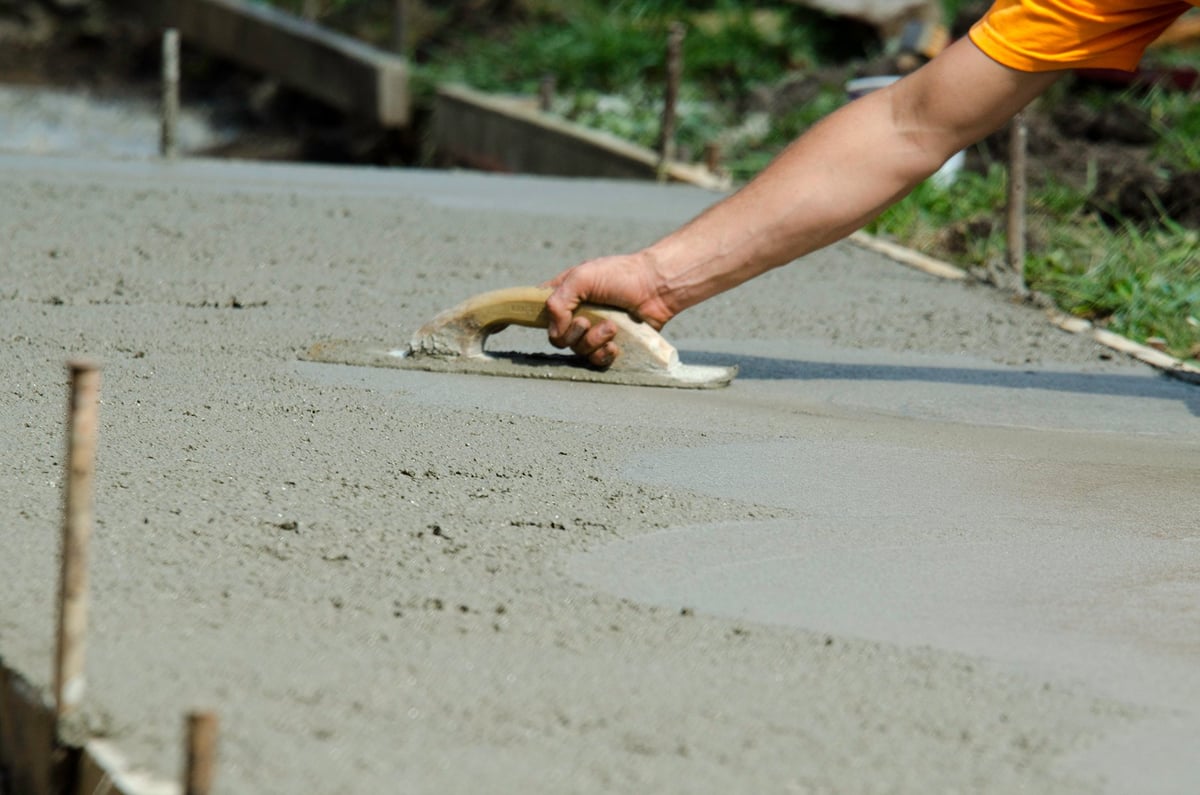
For settled or heavily damaged panels, we saw-cut clean edges, remove the failed concrete, correct the base, and pour a replacement that matches the surrounding thickness and finish as closely as possible. This is the approach that fixes the actual cause rather than hiding it.
Repairing Concrete Throughout the Valley
We repair driveways, walkways, patios, pads and pool decks across Phoenix, Scottsdale, Glendale, Mesa, Tempe, Goodyear, Avondale, Buckeye, Tolleson and Cave Creek. Different neighborhoods have different soil and different ages of concrete, and we've worked in all of them.
One thing we'll always do: tell you if repair isn't the right call. If the slab is past saving, we'll say so instead of selling you a patch that won't last.
Why Phoenix Homeowners Choose Us
Honest Repair-or-Replace Advice
We diagnose whether the problem is the surface or the base, and tell you which fix actually applies — no upselling a repair that won't hold.
Fixes the Cause, Not the Symptom
Settled panels get the base corrected underneath, so the new concrete doesn't repeat the old failure.
Matched Finishes
Replacement sections finished to blend with your surrounding concrete instead of standing out as an obvious patch.
Trip Hazards Addressed
Heaved panels ground or replaced so walkways and entries are safe again.
Family-Owned Crew
The same experienced team does the demo, base work and finishing — not a rotating cast of subcontractors.
Free Estimates · Hablamos Español
Straight pricing with no obligation, in English or Spanish. Estimados gratis.
Common Questions
Often yes. Surface damage like spalling and cosmetic cracking can usually be patched or resurfaced. Structural problems like settlement or widespread cracking are better solved by replacing the affected sections — and we'll tell you which one your slab needs.
Usually the base underneath. Concrete poured on poorly compacted desert soil moves as the ground moves, and no surface repair fixes that. Proper control joints also matter — they tell the concrete where to crack so it doesn't crack randomly.
Spalling is when the surface of the concrete flakes, peels or pits away, exposing the aggregate underneath. In Phoenix it's commonly driven by heat, UV and moisture. If it's caught early, resurfacing can restore the slab; if it's deep, replacement may be the better path.
Not always. Hairline cracks along control joints are normal and usually cosmetic. Cracks that are wide, offset vertically, or accompanied by settlement are a different story. We'll look at it and tell you which you're dealing with.
Ready for a free estimate?
Call, text or send the form — we'll come out, look at the space and give you a straight answer, free of charge. Hablamos Español.